
OUR WORK
Cultivating Minds, Hands, and Habitats
Our educational framework focuses on holistic development, blending structured learning with free exploration and critical social engagement.
Education & Learning
Structured Knowledge for Practical Mastery
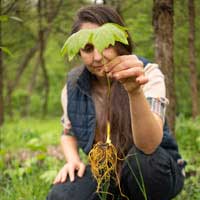
We provide a carefully crafted curriculum designed to move participants logically from foundational principles of cultivation and identification to advanced skills in utilization and preservation. Our Education & Learning stream is the intellectual core of the Herb Society, where we deliver our structured, sequenced curriculum through dynamic, small-group workshops and immersive courses. The learning process begins with foundational modules that cover plant botany, soil science, organic pest control, and proper harvesting techniques for common culinary and medicinal herbs. As students progress, the focus shifts to more complex topics, including the safe and effective preparation of herbal remedies like tinctures, salves, and infused oils, always emphasizing responsible wildcrafting and ethical sourcing. Our teaching methods rely heavily on the Socratic method and guided practical application, encouraging participants to analyze, synthesize, and troubleshoot real-world gardening challenges using the principles taught in class. Furthermore, we maintain a comprehensive, curated library of historical and contemporary herbal texts, ensuring students have access to accurate, deep resources for self-directed study, supporting a robust and continuous educational journey that spans many different disciplines and centuries of documented knowledge.
Play & Exploration
Discovery Through Hands-On Sensory Engagement
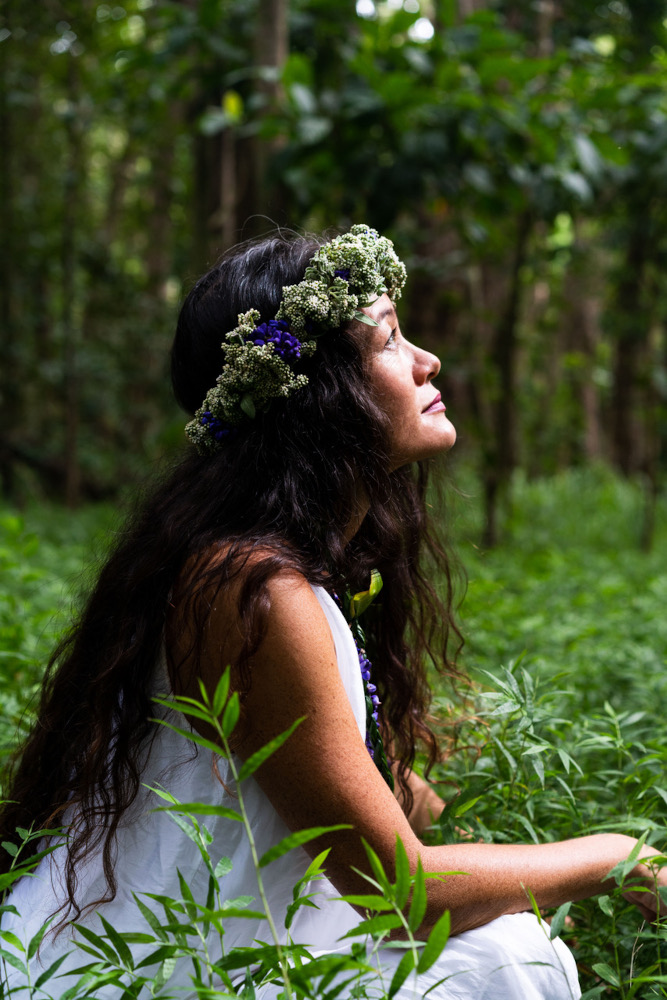
We believe that unstructured interaction with the plant world is essential for fostering creativity, curiosity, and a lifelong connection to nature, particularly for our younger learners. The Play & Exploration component of our work encourages participants of all ages to engage with the natural environment of the Hoover Historical Center’s gardens and grounds in an unstructured, imaginative way. For children, this involves dedicated sensory garden spaces where they are free to touch, smell, and observe various textures and aromatic herbs, fostering early cognitive and sensory development outside of a formal classroom setting. We organize “Herbal Hunts” and guided exploratory walks where the goal is discovery rather than instruction, allowing curiosity to lead the learning process. For adult members, this often translates into open garden days, where they are encouraged to experiment with different planting arrangements, try out new harvesting tools, or simply sit and observe the pollinator activity, allowing for quiet contemplation and fostering creative problem-solving in their own gardening practices. This emphasis on playful, self-directed exploration reinforces the lessons learned in formal workshops, cementing a deeper, more personal and intuitive understanding of the plants and their ecological roles within the garden setting.
Social & Emotional Development
Connecting People and Building a Collaborative Community
We create a supportive, non-competitive environment that fosters collaboration, mutual respect, and the development of strong social bonds among all who share a passion for herbs. The Herb Society is a powerful incubator for social and emotional development, achieved through the inherently collaborative nature of community gardening and shared learning. Working side-by-side in our gardens, members of all backgrounds learn essential skills like teamwork, effective communication, and conflict resolution as they tackle shared planting, weeding, and harvesting goals. Our workshops are intentionally structured to include partnered and small-group activities, encouraging the sharing of personal experiences, remedies, and recipes, which builds trust and empathy within the group. The sense of belonging and mutual support that develops is profoundly beneficial, combating social isolation and creating a network of caring individuals. Furthermore, mastering new, practical skills related to gardening and herbal preparation builds significant self-confidence and self-efficacy, providing participants with tangible proof of their capabilities and contributing to a positive self-image. By creating this welcoming, collaborative space, we nurture not only the plants but also the human connections that make our community resilient and emotionally vibrant.
Pathways to Herbal Mastery
Educational Opportunities for Every Stage of Life
Our educational framework is designed to be fully inclusive, serving a broad spectrum of age groups with age-appropriate and engaging curricula. For our youngest learners (toddlers and pre-schoolers), we host “Garden Explorers” sessions, which focus heavily on sensory interaction, safety, and basic identification of common, safe culinary herbs, using storytelling and song to engage their blossoming curiosity. School-aged children participate in our “Junior Herbalist” program, which introduces basic plant science, soil ecology, and the making of simple crafts like sachets and infusions, often tied directly to state science standards. Teenagers can enroll in our advanced “Sustainable Steward” course, which involves managing a dedicated plot, learning marketing skills for farmers’ markets, and deeper dives into medicinal preparation. Our core audience remains adults and seniors, for whom we offer our most detailed, advanced workshops on specific topics like advanced distillation, tincture making, and therapeutic gardening, ensuring a rich, continuous learning experience that caters to all developmental and interest levels across the community.
Community & Engagement
Building Bridges, Sowing Seeds of Partnership
Family involvement is a cornerstone of The Herb Society’s philosophy, rooted in the understanding that the most effective learning often happens when skills are shared across generations. We offer dedicated family workshops, such as “Parent-Child Potion Making” and “Family Herb Garden Design,” where activities are structured to allow adults and children to collaborate as equals, with children often mastering specific tasks like seed sowing and watering, and adults focusing on planning and advanced preparation. These programs are designed to provide parents with the confidence and practical knowledge needed to continue herbal activities at home, turning their own yards into functional, educational spaces. Furthermore, our community service days are structured to be family-friendly, allowing children to understand the concept of giving back while engaging in light garden work alongside their parents, fostering early environmental responsibility and a strong, shared connection to the society’s mission. We view the family unit as the primary mechanism for transmitting the knowledge of herbs, and we strive to provide the resources and environment to make that transmission joyful and effective.

Testimonials
Voices from Our Community
“Our daughter, Clara, now sees our backyard not just as a place to play, but as a resource to explore and cultivate, a perspective she gained entirely from her time at the Junior Herbalist program. She comes home brimming with facts about soil biology and is always dragging me outside to identify ‘volunteers’ in our flower beds, completely changing our family’s relationship with gardening. The instruction is so genuine and encouraging, and the hands-on nature of the workshops, especially making her own lavender sachets, gave her a real sense of accomplishment. She is now proudly growing basil from seed on her bedroom windowsill, a quiet testament to the confidence and practical skills the Herb Society has instilled in her. We are so grateful for this unique, deeply enriching resource in North Canton.” – Jessica L., Parent of a 7-Year-Old
“As an adult learner who came into the society with zero gardening experience, I was incredibly impressed by the patience and depth of knowledge offered by the instructors in the Cultivation workshop. I learned more in a single six-week course about organic soil health and proper harvesting than I had in years of trying to read books. The ability to practice my pruning cuts and soil testing directly in the historical garden, with immediate, expert feedback, was invaluable. Beyond the technical skills, the collaborative spirit among the other members is truly special; everyone is so willing to share advice and celebrate successes. It has not only made me a confident gardener, but it has also provided me with a wonderful new social network and a tangible connection to the history of the plants.” – Mark D., Adult Workshop Participant
“My son, Ethan, used to be completely disinterested in anything that involved getting his hands dirty, preferring screens to soil. After the Sensory Garden Explorers sessions, he now asks daily to go outside to ‘check on the mint’ and is fascinated by the different smells and textures of the herbs we now grow. The staff did such an amazing job of making the experience fun and engaging, using stories and sensory games to teach basic plant identification without him even realizing it was a lesson. The society’s focus on gentle, hands-on discovery was exactly what he needed, and he now has a genuine, thriving curiosity about the natural world that has truly been a joy to watch develop. It’s been a transformative experience for our family, turning screen time into green time.” – Sarah W., Parent of a 4-Year-Old
“I’ve been a hobbyist gardener for decades, but I always struggled with the utilization side—knowing how to properly preserve and process the harvest. The Advanced Tincture Workshop I took with Dr. Chen was exceptional, offering the deep scientific understanding and meticulous safety protocols I needed to move from hobby to confident practice. The instructions were clear, the provided resources were top-notch, and the hands-on making of the tinctures allowed me to internalize the process perfectly. The society’s unique focus on sustainability and historical methods really sets them apart, providing context that makes the learning even richer. I now feel completely empowered to use my harvest effectively for our family’s wellness, and I cherish the new friendships I’ve made with other dedicated, like-minded enthusiasts.” – Patricia K., Senior Member & Workshop Attendee