
THE HERB SOCIETY AT THE HOOVER HISTORICAL CENTER
Growing Community, One Herb At A Time
At The Herb Society At The Hoover Historical Center, we believe in the profound, accessible power of herbs to enrich lives, heal communities, and connect us to history and the earth beneath our feet. Our society is dedicated to demystifying the art and science of herbalism, moving beyond simple kitchen applications to exploring their full potential in health, craft, and ecology. We offer a holistic educational experience that blends time-honored practices with modern, sustainable gardening techniques.
ABOUT US
Rooted in History, Dedicated to the Future
The Herb Society At The Hoover Historical Center is more than a garden club; it is an educational institution and a vibrant community dedicated to the comprehensive study and application of herbs. We provide intensive, experiential learning through workshops and readily available resources designed to empower every individual, regardless of their prior experience, to successfully cultivate and utilize herbs. Our educational philosophy centers on hands-on engagement, guided by the principle that true understanding comes from direct interaction with the plants themselves. Participants in our programs are not simply passive learners; they are active growers, harvesters, and preparers, mastering the entire lifecycle of various herbs from seed to shelf. This approach ensures that the knowledge gained is practical, sustainable, and immediately applicable in their own homes and gardens, fostering a profound connection between the individual and the natural world, all while honoring the historical setting of the Hoover Historical Center. Our deep commitment is to making this ancient knowledge accessible and relevant in the modern context of environmental stewardship and community health.
Our Story
Honoring the Past, Cultivating the Present
The Herb Society At The Hoover Historical Center was first established over two decades ago by a small but dedicated group of local history buffs and master gardeners who recognized the vital role herbs played in the daily life and medical practices of the Hoover era and earlier pioneers. Their original vision was to create a functional, historically accurate herb garden on the grounds of the Hoover Historical Center, not just as a static display, but as a dynamic, living reference point. This commitment to historical authenticity and hands-on education formed the origin of our society. The founders dedicated countless hours to researching period-appropriate species and cultivation methods, meticulously transforming a patch of overgrown land into the thriving demonstration garden that stands today. This foundational work set the stage for our identity as an organization that respects the heritage of herbalism while actively sharing that legacy with the contemporary community. The society grew organically, attracting like-minded individuals eager to connect history, horticulture, and healthful living.
What We Do
Practical Knowledge, Tangible Results
The core program overview of The Herb Society At The Hoover Historical Center is centered on delivering practical, experiential workshops that cover the entire spectrum of herb use, from foundational horticulture to advanced preparation techniques. Our curriculum is broadly categorized into three streams: Cultivation, which focuses on soil health, organic planting, propagation, and season extension; Utilization, which includes sessions on drying, tincturing, salve-making, cooking with fresh herbs, and crafting natural household products; and Ecology, which advocates for beneficial gardening practices such as companion planting, creating pollinator habitats, and sustainable water management. These programs are delivered through small-group, hands-on sessions led by certified master gardeners and experienced herbalists who prioritize immediate application of knowledge. We offer multi-week courses for deep dives into specific topics, alongside one-day workshops perfect for beginners looking for an introductory experience. Our goal is to ensure every participant leaves with tangible skills, high-quality resources, and the confidence to integrate herbs into their daily lives.
OUR MISSION
The Heart of Our Purpose
Our society is driven by the tripartite goal of education, connection, and environmental stewardship, ensuring the heritage of herbalism thrives.
OUR VISION
Inspiring a Thriving, Herb-Enriched Community
Our vision is to become the leading regional center for accessible, sustainable herbal education, fostering a community where the knowledge of growing and utilizing herbs is a universally shared and practiced skill, contributing to local health and biodiversity. We envision a future where every household in North Canton and the surrounding region feels equipped and confident to grow their own herbs, not just as a hobby, but as a practical element of sustainable living and personal wellness. Our goal is to expand our educational outreach significantly, implementing programs that reach underserved communities and educational institutions, ensuring that the benefits of herbal knowledge are available to everyone, regardless of socioeconomic status. This long-term plan includes establishing more collaborative community gardens, publishing accessible resource guides, and developing a certified training program for new herb educators. We aim to be recognized nationally for our unique integration of historical preservation and cutting-edge ecological practices, serving as a model for how educational societies can effectively blend heritage, community building, and environmental responsibility to create a more resilient and self-sufficient local food and wellness system for decades to come, actively contributing to the overall well-being of the region.
OUR VALUES
Integrity, Sustainability, and Experiential Learning
Our core principles are rooted in fostering ecological integrity, promoting authentic, research-backed knowledge, and prioritizing hands-on, practical educational methods in everything we do. At the foundation of The Herb Society At The Hoover Historical Center lies an unwavering commitment to integrity, which governs both the accuracy of the information we disseminate and the transparency of our operations. We ensure that all our educational materials are based on sound horticultural science and vetted herbal knowledge, promoting safe and effective use. Hand-in-hand with this is our dedication to sustainability; we advocate for and practice only the most eco-friendly gardening techniques, emphasizing organic, no-till, and water-wise methods that benefit both the delicate historical landscape of the Center and the broader regional ecosystem. Finally, experiential learning is a non-negotiable value. We believe that true mastery comes only through direct, hands-on practice, and our workshops are designed to be immersive, ensuring every participant leaves with tangible skills they have physically practiced, not just theoretical concepts they have read about. These three core values—Integrity, Sustainability, and Experiential Learning—guide every program, project, and community interaction we undertake.
OUR IMPACT
Cultivating Healthier People and a Greener Planet
We strive to empower individuals with the knowledge to improve their personal wellness while actively contributing to a more biodiverse and resilient local environment. The direct impact of The Herb Society At The Hoover Historical Center is multifaceted, radiating outwards from the historical grounds into the homes and gardens of our members and the wider community. Educationally, we generate measurable improvements in personal well-being by empowering individuals to manage minor ailments with natural remedies and improve nutrition through the use of fresh culinary herbs, fostering a greater sense of personal autonomy over health. Environmentally, our advocacy for and implementation of eco-friendly gardening techniques directly benefits local biodiversity, creating vital pollinator pathways and reducing the use of chemical pesticides in backyard and community gardens across the county. Socially, we foster strong community connections by providing a welcoming, collaborative space for people of all backgrounds to meet, share resources, and engage in meaningful projects, thereby increasing social cohesion and mutual support among herb enthusiasts. Ultimately, our contribution is the cultivation of a more knowledgeable, connected, and ecologically aware community, one small, green step at a time, leaving a lasting legacy of sustainability.
OUR TEAM
Dedicated Experts, Caring Mentors
Meet the passionate professionals who bring our mission to life through expert knowledge and a genuine love for teaching and gardening.
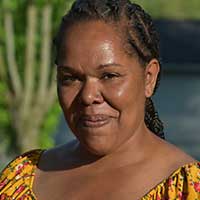
Eleanor Vance, Executive Director
Eleanor Vance holds a Master’s degree in Non-Profit Management and has been a driving force in the local horticultural community for over fifteen years, blending her sharp administrative skills with a profound passion for preserving traditional gardening knowledge. Before joining The Herb Society, she served as the Development Director for a regional historical trust, where she honed her ability to secure funding and manage large-scale community projects, experience that is invaluable in overseeing the Center’s expansion. Eleanor’s approach is defined by her belief that organizational success is rooted in strong community partnerships and the empowerment of her team; she is known for her warm, open-door policy and her meticulous attention to detail in everything from grant writing to workshop scheduling. She views her role not just as a manager, but as a facilitator, ensuring that the resources are always available for the instructors to deliver high-quality, impactful educational experiences while diligently upholding the historical integrity of the Hoover Historical Center. Her leadership has been pivotal in transitioning the society from a volunteer-run group to a professional, widely respected educational center.
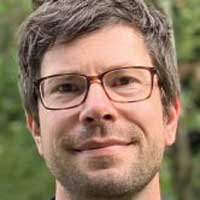
Dr. Marcus Chen, Lead Master Herbalist
Dr. Marcus Chen is a certified Master Gardener and holds a Ph.D. in Ethnobotany, bringing a rigorous academic background combined with extensive hands-on experience to our educational programs. His expertise lies in medicinal plants, advanced propagation techniques, and the historical use of herbs across various cultures, allowing him to infuse the workshops with deep, research-backed knowledge. Before dedicating himself fully to education, Dr. Chen spent a decade consulting on sustainable farming practices, giving him a unique perspective on the intersection of modern agriculture and traditional herbalism. Marcus is beloved by workshop participants for his patient, clear teaching style and his infectious enthusiasm for the science behind plant efficacy. He believes in teaching critical thinking alongside gardening skills, encouraging students to question, experiment, and document their findings. He is responsible for curating the plant collections in the historical garden and designing the advanced curriculum, ensuring the society remains on the cutting edge of sustainable herbology.
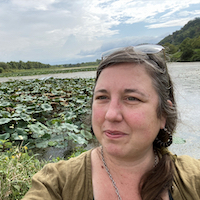
Clara Rodriguez, Community Outreach Coordinator
Clara Rodriguez is the vibrant bridge between The Herb Society and the broader North Canton community, specializing in communications and partnership development with a background in social work and local organizing. Her extensive work in developing volunteer programs and managing complex community events ensures that our mission of connection is realized through meaningful engagement opportunities. Clara is skilled at mobilizing volunteers, coordinating our popular seed exchange events, and establishing crucial partnerships with local schools and senior centers to bring herbal education to new audiences. Her personal philosophy centers on accessibility and inclusion, and she works tirelessly to ensure all our events and resources are welcoming to people of all ages and abilities. She is the friendly face and organizational backbone of our public-facing initiatives, making sure that every member feels valued, heard, and connected to the work being done at the Hoover Historical Center. Her creative approach to fundraising and event planning has been instrumental in growing our society’s visibility and public impact.

Stephen Holt, Garden and Facilities Manager
Stephen Holt is a highly skilled horticulturist and essential operational expert, managing the day-to-day health of the historical gardens and maintaining all facilities at the Center. He has over twenty years of professional experience in landscape maintenance and ecological design, specializing in heritage plant preservation and organic soil management in temperate climates. Stephen’s role is critical; he ensures that the environment is always pristine, functional, and perfectly suited for both educational purposes and the preservation of our specialized herb collections. He is the quiet anchor of the team, often found diligently tending the demonstration beds or meticulously repairing infrastructure. Students benefit from his impromptu lessons on soil structure and composting, as he is always happy to share his deep practical knowledge. His commitment to pure, sustainable gardening practices guarantees that all materials used in our workshops are organically grown on-site, providing the highest quality, most reliable specimens for our educational programs and ensuring the historical site is maintained with ecological sensitivity.
OUR WORK
Cultivating Minds, Hands, and Habitats
Our educational framework focuses on holistic development, blending structured learning with free exploration and critical social engagement.
Education & Learning
Structured Knowledge for Practical Mastery
We provide a carefully crafted curriculum designed to move participants logically from foundational principles of cultivation and identification to advanced skills in utilization and preservation. Our Education & Learning stream is the intellectual core of the Herb Society, where we deliver our structured, sequenced curriculum through dynamic, small-group workshops and immersive courses. The learning process begins with foundational modules that cover plant botany, soil science, organic pest control, and proper harvesting techniques for common culinary and medicinal herbs. As students progress, the focus shifts to more complex topics, including the safe and effective preparation of herbal remedies like tinctures, salves, and infused oils, always emphasizing responsible wildcrafting and ethical sourcing. Our teaching methods rely heavily on the Socratic method and guided practical application, encouraging participants to analyze, synthesize, and troubleshoot real-world gardening challenges using the principles taught in class. Furthermore, we maintain a comprehensive, curated library of historical and contemporary herbal texts, ensuring students have access to accurate, deep resources for self-directed study, supporting a robust and continuous educational journey that spans many different disciplines and centuries of documented knowledge.
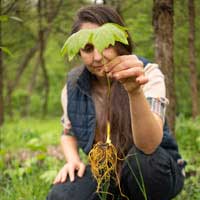
Play & Exploration
Discovery Through Hands-On Sensory Engagement
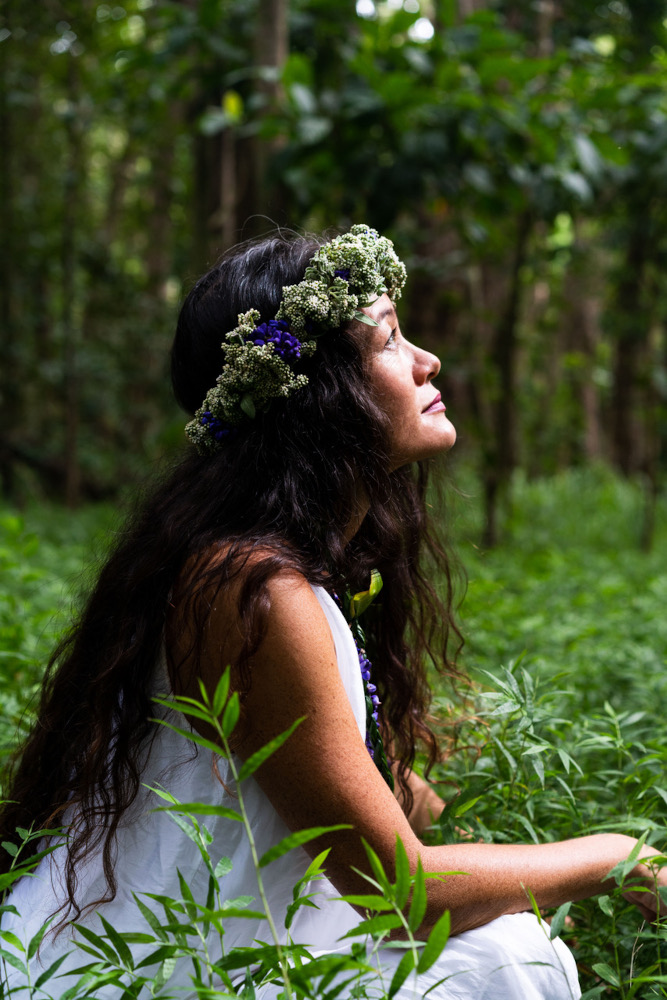
We believe that unstructured interaction with the plant world is essential for fostering creativity, curiosity, and a lifelong connection to nature, particularly for our younger learners. The Play & Exploration component of our work encourages participants of all ages to engage with the natural environment of the Hoover Historical Center’s gardens and grounds in an unstructured, imaginative way. For children, this involves dedicated sensory garden spaces where they are free to touch, smell, and observe various textures and aromatic herbs, fostering early cognitive and sensory development outside of a formal classroom setting. We organize “Herbal Hunts” and guided exploratory walks where the goal is discovery rather than instruction, allowing curiosity to lead the learning process. For adult members, this often translates into open garden days, where they are encouraged to experiment with different planting arrangements, try out new harvesting tools, or simply sit and observe the pollinator activity, allowing for quiet contemplation and fostering creative problem-solving in their own gardening practices. This emphasis on playful, self-directed exploration reinforces the lessons learned in formal workshops, cementing a deeper, more personal and intuitive understanding of the plants and their ecological roles within the garden setting.
Social & Emotional Development
Connecting People and Building a Collaborative Community
We create a supportive, non-competitive environment that fosters collaboration, mutual respect, and the development of strong social bonds among all who share a passion for herbs. The Herb Society is a powerful incubator for social and emotional development, achieved through the inherently collaborative nature of community gardening and shared learning. Working side-by-side in our gardens, members of all backgrounds learn essential skills like teamwork, effective communication, and conflict resolution as they tackle shared planting, weeding, and harvesting goals. Our workshops are intentionally structured to include partnered and small-group activities, encouraging the sharing of personal experiences, remedies, and recipes, which builds trust and empathy within the group. The sense of belonging and mutual support that develops is profoundly beneficial, combating social isolation and creating a network of caring individuals. Furthermore, mastering new, practical skills related to gardening and herbal preparation builds significant self-confidence and self-efficacy, providing participants with tangible proof of their capabilities and contributing to a positive self-image. By creating this welcoming, collaborative space, we nurture not only the plants but also the human connections that make our community resilient and emotionally vibrant.

Pathways to Herbal Mastery
Educational Opportunities for Every Stage of Life
Our educational framework is designed to be fully inclusive, serving a broad spectrum of age groups with age-appropriate and engaging curricula. For our youngest learners (toddlers and pre-schoolers), we host “Garden Explorers” sessions, which focus heavily on sensory interaction, safety, and basic identification of common, safe culinary herbs, using storytelling and song to engage their blossoming curiosity. School-aged children participate in our “Junior Herbalist” program, which introduces basic plant science, soil ecology, and the making of simple crafts like sachets and infusions, often tied directly to state science standards. Teenagers can enroll in our advanced “Sustainable Steward” course, which involves managing a dedicated plot, learning marketing skills for farmers’ markets, and deeper dives into medicinal preparation. Our core audience remains adults and seniors, for whom we offer our most detailed, advanced workshops on specific topics like advanced distillation, tincture making, and therapeutic gardening, ensuring a rich, continuous learning experience that caters to all developmental and interest levels across the community.
Community & Engagement
Building Bridges, Sowing Seeds of Partnership
Family involvement is a cornerstone of The Herb Society’s philosophy, rooted in the understanding that the most effective learning often happens when skills are shared across generations. We offer dedicated family workshops, such as “Parent-Child Potion Making” and “Family Herb Garden Design,” where activities are structured to allow adults and children to collaborate as equals, with children often mastering specific tasks like seed sowing and watering, and adults focusing on planning and advanced preparation. These programs are designed to provide parents with the confidence and practical knowledge needed to continue herbal activities at home, turning their own yards into functional, educational spaces. Furthermore, our community service days are structured to be family-friendly, allowing children to understand the concept of giving back while engaging in light garden work alongside their parents, fostering early environmental responsibility and a strong, shared connection to the society’s mission. We view the family unit as the primary mechanism for transmitting the knowledge of herbs, and we strive to provide the resources and environment to make that transmission joyful and effective.

Testimonials
Voices from Our Community
“Our daughter, Clara, now sees our backyard not just as a place to play, but as a resource to explore and cultivate, a perspective she gained entirely from her time at the Junior Herbalist program. She comes home brimming with facts about soil biology and is always dragging me outside to identify ‘volunteers’ in our flower beds, completely changing our family’s relationship with gardening. The instruction is so genuine and encouraging, and the hands-on nature of the workshops, especially making her own lavender sachets, gave her a real sense of accomplishment. She is now proudly growing basil from seed on her bedroom windowsill, a quiet testament to the confidence and practical skills the Herb Society has instilled in her. We are so grateful for this unique, deeply enriching resource in North Canton.” – Jessica L., Parent of a 7-Year-Old
“As an adult learner who came into the society with zero gardening experience, I was incredibly impressed by the patience and depth of knowledge offered by the instructors in the Cultivation workshop. I learned more in a single six-week course about organic soil health and proper harvesting than I had in years of trying to read books. The ability to practice my pruning cuts and soil testing directly in the historical garden, with immediate, expert feedback, was invaluable. Beyond the technical skills, the collaborative spirit among the other members is truly special; everyone is so willing to share advice and celebrate successes. It has not only made me a confident gardener, but it has also provided me with a wonderful new social network and a tangible connection to the history of the plants.” – Mark D., Adult Workshop Participant
“My son, Ethan, used to be completely disinterested in anything that involved getting his hands dirty, preferring screens to soil. After the Sensory Garden Explorers sessions, he now asks daily to go outside to ‘check on the mint’ and is fascinated by the different smells and textures of the herbs we now grow. The staff did such an amazing job of making the experience fun and engaging, using stories and sensory games to teach basic plant identification without him even realizing it was a lesson. The society’s focus on gentle, hands-on discovery was exactly what he needed, and he now has a genuine, thriving curiosity about the natural world that has truly been a joy to watch develop. It’s been a transformative experience for our family, turning screen time into green time.” – Sarah W., Parent of a 4-Year-Old
“I’ve been a hobbyist gardener for decades, but I always struggled with the utilization side—knowing how to properly preserve and process the harvest. The Advanced Tincture Workshop I took with Dr. Chen was exceptional, offering the deep scientific understanding and meticulous safety protocols I needed to move from hobby to confident practice. The instructions were clear, the provided resources were top-notch, and the hands-on making of the tinctures allowed me to internalize the process perfectly. The society’s unique focus on sustainability and historical methods really sets them apart, providing context that makes the learning even richer. I now feel completely empowered to use my harvest effectively for our family’s wellness, and I cherish the new friendships I’ve made with other dedicated, like-minded enthusiasts.” – Patricia K., Senior Member & Workshop Attendee
OUR VOLUNTEER
Sow the Seeds of Service
Lend your time and talents to help us cultivate knowledge, community, and the beauty of the Hoover Historical Center gardens.
Why volunteer
Connect, Learn, and Make a Tangible Difference
Joining our volunteer team is a deeply rewarding experience that offers far more than just lending a helping hand; it is an active participation in our core mission of education and stewardship. Volunteers receive invaluable on-the-job training in a variety of skills, from specialized pruning and planting techniques under the guidance of our Garden Manager, Stephen Holt, to assistance with event coordination and resource development alongside our Community Outreach Coordinator. It is a fantastic opportunity for personal growth, allowing you to deepen your own knowledge of herbs and historical gardening methods simply by being immersed in the environment. More importantly, you become a crucial part of a warm, collaborative community, working alongside people who share your passion for sustainability and history, creating new social bonds and a shared sense of accomplishment. The time you commit is an investment in your own learning, the health of our local ecosystem, and the vitality of North Canton’s premier herbal education resource.
Ways to help
Diverse Opportunities for Every Skill Set
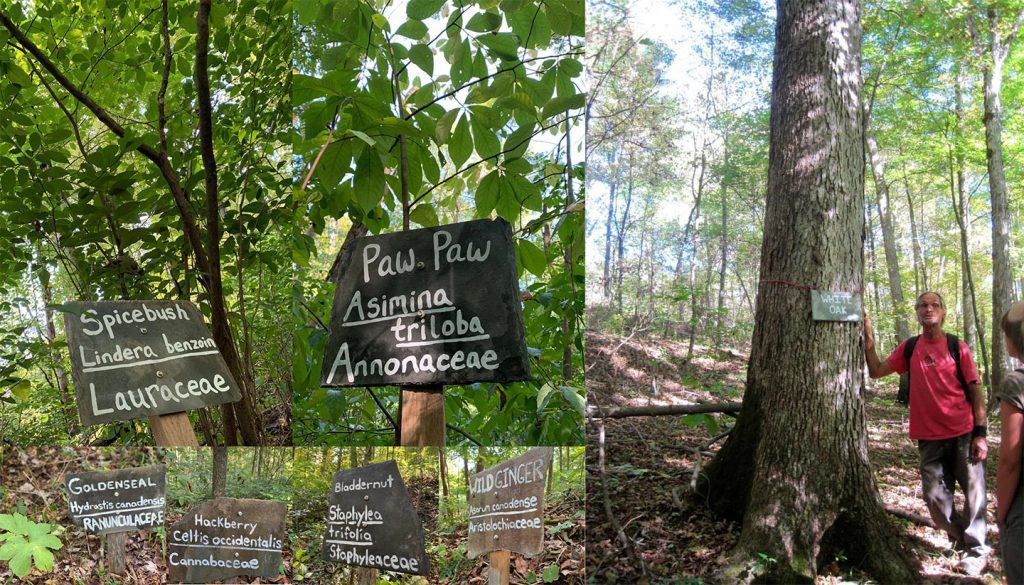
We offer a flexible range of volunteer roles designed to accommodate different skills, interests, and availability, ensuring every contributor can find a fulfilling place within our organization. The most visible opportunities involve Garden Stewardship, where volunteers assist the Garden Manager with essential tasks such as weeding, watering, mulching, harvesting, and seed saving in the historical and demonstration beds, providing crucial hands-on horticultural practice. If your skills lean toward administration or community engagement, you can help with Program Support, which involves preparing materials for workshops, staffing our resource center during open hours, or assisting with event setup and registration for our major festivals. For those with specialized talents in communication or photography, we often need help with Outreach and Documentation, assisting our coordinator with crafting social media posts, taking pictures of the gardens, or helping to compile our quarterly member newsletter, ensuring that our society’s vital work is clearly and beautifully communicated to the wider community.
Impact of volunteering
Your Time Directly Cultivates Community Growth
The impact of our volunteers is immeasurable and essential to the smooth operation and success of The Herb Society At The Hoover Historical Center. Your commitment allows us to keep our historical gardens thriving and beautiful, providing an inspiring and accurate living classroom for all our students. By assisting with workshop preparation and logistical tasks, you directly reduce administrative costs, allowing us to allocate more financial resources toward expanding our scholarship fund and developing new, essential educational materials. More profoundly, by being present and engaged, volunteers enhance the community experience, providing peer support and creating a welcoming, friendly atmosphere that encourages new participants to join and learn. Simply put, without the selfless contribution of our volunteers, we would be unable to host the volume of hands-on workshops, maintain the integrity of the Hoover Historical Center’s grounds, or foster the strong, connected community that is central to our mission, making your service the most valuable resource we have.

FREQUENTLY ASKED QUESTIONS
Answers to Your Herb Society Questions
Find detailed information here regarding enrollment, what we teach, our daily schedule, and how parents can be involved in our unique programs.
Question 1: What is the enrollment process for your workshops and courses, and do I need prior experience with gardening or herbs to join?
The enrollment process for all our educational offerings is handled directly through our website, where you can browse the current schedule, find detailed course descriptions, and complete the registration form for any workshop or multi-week program that aligns with your interest and availability. We warmly welcome individuals of all experience levels, from absolute novices who have never touched a trowel to seasoned herbalists looking to specialize in historical preservation or advanced preparation techniques. Our foundational workshops, such as “Herb Gardening Fundamentals” or “Basic Herbal Tincturing,” are specifically designed to provide a comprehensive, welcoming entry point for beginners, ensuring that every participant feels comfortable and fully supported as they begin their journey into the world of sustainable gardening and herbal utilization.
Question 2: What specific safety measures are in place, particularly regarding the identification and utilization of medicinal herbs in your programs?
Safety is our highest priority at The Herb Society, especially when dealing with the identification, harvesting, and utilization of any plant material. All workshops that involve internal or medicinal use are led exclusively by Dr. Marcus Chen, our Lead Master Herbalist, or other certified instructors with deep, verified expertise in ethnobotany and plant safety. We enforce rigorous safety protocols, clearly demarcating all plant beds, and utilizing only plants grown on-site under strict organic control for all consumption and preparation activities. Furthermore, our curriculum includes essential lessons on safe harvesting practices, identification of look-alike plants, responsible dosage, and contraindications, ensuring that participants receive accurate, responsible, and research-backed knowledge to practice herbalism safely both during our programs and at home.
Question 3: Can you describe the core educational curriculum and the learning approach used in your hands-on workshops?
Our core curriculum is structured around the three essential pillars of Horticulture, Utilization, and Ecology, designed to provide a holistic understanding of the plant from seed to shelf. Our learning approach is predominantly experiential, favoring hands-on practice over purely theoretical lectures; for example, students spend time directly working the soil, learning proper pruning by practice, and meticulously preparing remedies in small groups. This “Seed-to-Shelf Immersion” methodology, guided by our expert instructors, ensures that participants build true muscle memory and confidence, making the knowledge practical and immediately applicable. We utilize the historical gardens as a living laboratory, integrating lessons on the traditional uses of herbs found in the Hoover Historical Center’s past, creating a unique and deeply contextual educational experience.
Question 4: Do you offer any programs or guidance concerning meals and the safe use of culinary herbs for food preparation?
While we do not operate a meal service, we frequently incorporate the safe and flavorful use of culinary herbs into many of our workshops, particularly in our Utilization stream. These sessions often involve demonstrations and hands-on preparation of simple foods, such as herbal butters, infused vinegars, and fresh tea blends, always emphasizing food safety, appropriate preparation methods, and the correct ratios for maximum flavor and preservation. We specifically teach participants how to safely integrate their home-grown herbs into their daily cooking routines, and all herbs used in these demonstrations are organically and safely grown on the premises, ensuring the highest standards of quality and purity for all educational consumption.
Question 5: What is the typical daily schedule and are your facilities open for general visitation outside of scheduled workshops?
Our schedule varies depending on the season, but typically our formal workshops are held during morning and early afternoon blocks, with occasional evening or weekend sessions to accommodate working members. The Hoover Historical Center grounds and our demonstration gardens are generally open for visitation during standard Center hours, allowing members of the public and our society members to observe the plants and enjoy the space, though not all facilities, such as the indoor resource library or propagation greenhouse, may be accessible without a scheduled appointment or class registration. We highly recommend checking our website calendar or contacting our Community Outreach Coordinator for the most current schedule and access information to plan your visit or class enrollment accordingly.
Question 6: What opportunities are there for parent and family involvement beyond registering a child for a program?
We strongly believe that parental and family involvement is vital to reinforcing the lessons learned in our programs, and we offer numerous avenues for the whole family to participate actively. We host dedicated Family Garden Days, where parents and children can work together on community projects in the garden beds, fostering shared accomplishment and hands-on learning. We also encourage parents to attend our community events, such as the Harvest Festival and the Seed Swap, which provide excellent opportunities for social connection and learning alongside their children. Furthermore, our instructors often provide resources and suggested activities that parents can utilize at home to continue the learning journey, turning their own kitchen and garden into a continuous extension of our educational philosophy, reinforcing the value of home-based sustainability.
Contact Us
Reach out by phone, email, or physical mail—we look forward to hearing from you.
For the most immediate and efficient responses to questions regarding workshop registration, general information, or membership inquiries, we highly recommend contacting us via email, as this allows our administrative and outreach teams to efficiently manage and track all communications. For more detailed discussions concerning potential partnerships, corporate sponsorship, or media inquiries, please utilize our dedicated office phone number during our standard business hours. If you need to send us physical documents, a letter of inquiry, or other non-electronic materials, our mailing address is provided below, which is the physical location of the Hoover Historical Center. We are committed to responding to all inquiries within two business days, ensuring you receive the timely and comprehensive support you need to engage with our society.

Join Us/Work With Us
Grow Your Career in Horticulture and Community
The Herb Society At The Hoover Historical Center offers dynamic and fulfilling career opportunities for individuals who are deeply committed to our mission of education, sustainability, and connection, attracting professionals across a range of disciplines. We occasionally have openings for Program Instructors, requiring certified Master Gardeners or experienced herbalists who possess excellent teaching skills and a strong background in organic, eco-friendly horticulture and utilization techniques, ensuring they can lead our hands-on workshops with authority and warmth. We also seek staff for Administrative and Outreach roles, requiring experience in non-profit management, event planning, and community development to help manage the Center’s operations, secure funding, and coordinate our extensive volunteer efforts. All roles require a genuine enthusiasm for the natural world, a dedication to professional development, and a collaborative spirit, as we operate as a close-knit team focused on maximizing our impact within the North Canton community and maintaining the highest standards of historical and ecological integrity.